Physical Education and Health 5
Quarter 2 Lesson: Changes and Management During Puberty
Introduction
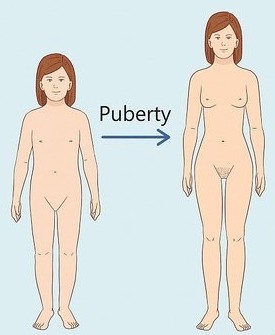
As you grow older, your body, thoughts, and feelings begin to change. This stage is called puberty. It usually happens between the ages of 9 to 14 for boys and 8 to 13 for girls. Puberty is a natural part of life. It prepares you for adulthood, but it can also bring many new experiences and challenges.
In this lesson, you will learn about:
emphasis on good hygiene and health
practices.
Part 1: Physical Changes During Puberty
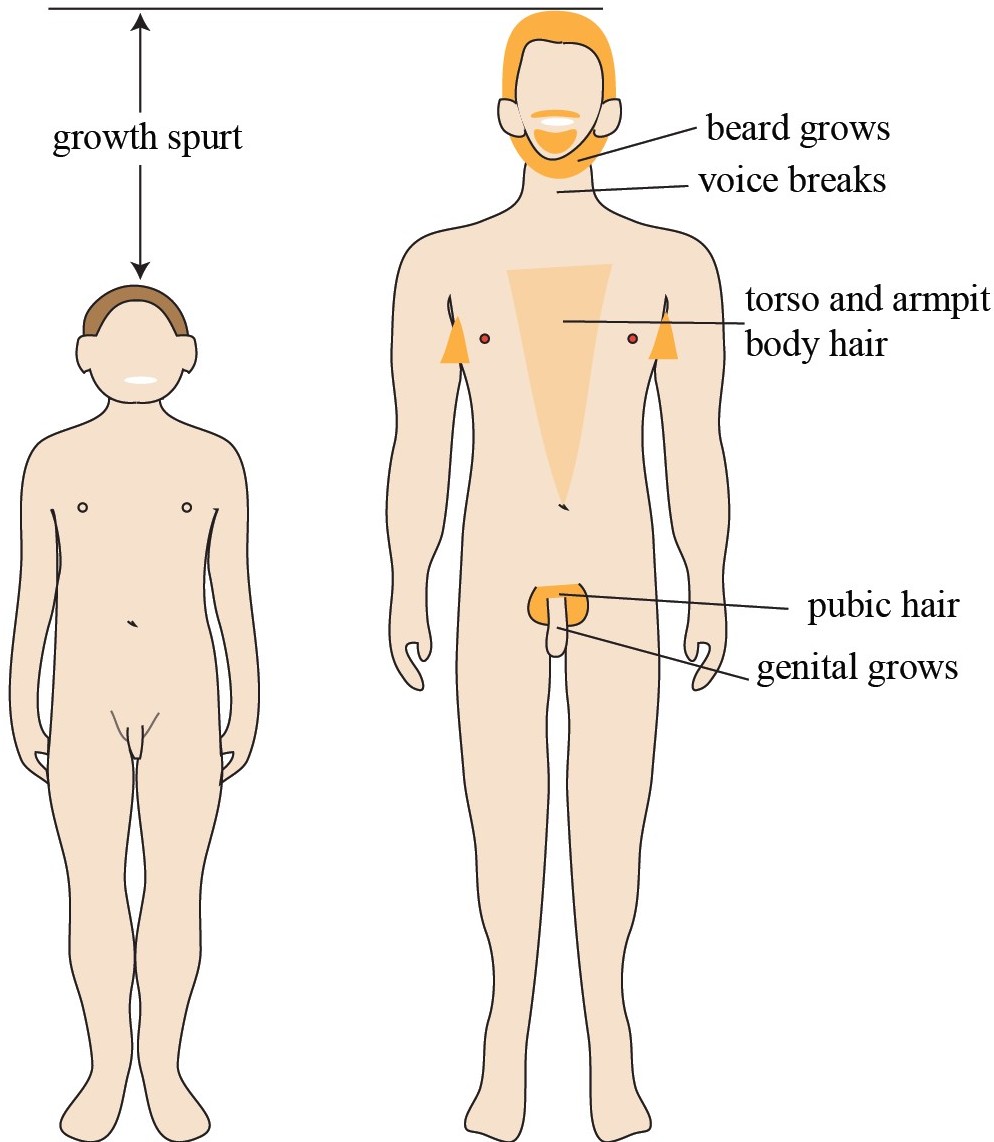
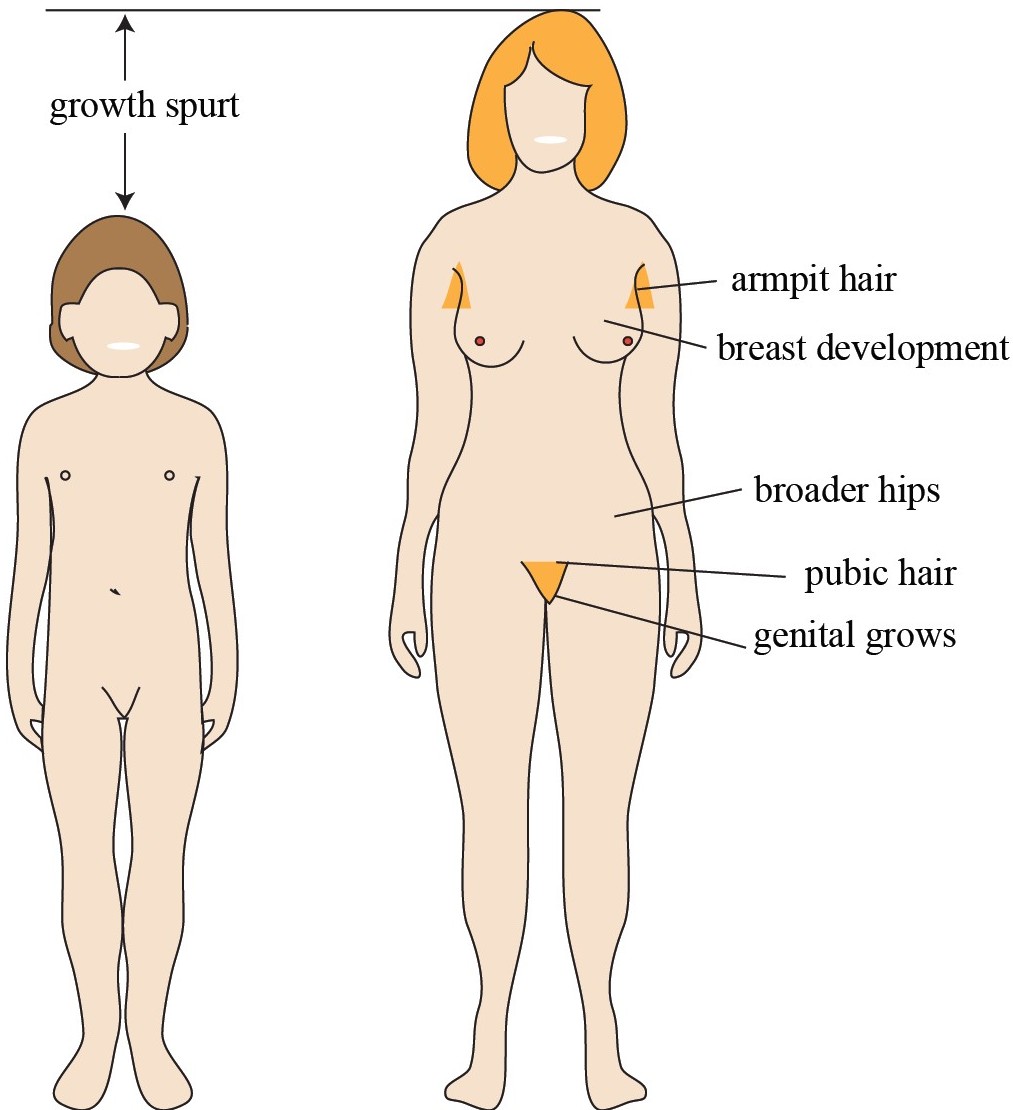
Growth Spurt
Your body grows faster than before.
You may notice your height increasing quickly, your arms and legs becoming longer, and your weight changing.
Sometimes, growth may feel uneven (for example, your feet grow first, then the rest of your body catches up).
Primary Sexual Characteristics
These are changes in body parts directly related to reproduction.
For girls: the ovaries begin to release eggs and menstruation (monthly period) begins.
For boys: the testes begin to produce sperm, and wet dreams (nocturnal emissions) may occur.
Secondary Sexual Characteristics
These are changes not directly related to reproduction, but show signs of maturing.
For girls: breasts develop, hips widen, body hair appears.
For boys: shoulders broaden, voice deepens, facial and body hair appear.
Both boys and girls: sweat glands become more active, skin may become oily, and pimples may appear.




Part 3: Impact of Changes During Puberty
Positive Impacts: These changes help you grow toward maturity, build independence, and discover your identity.
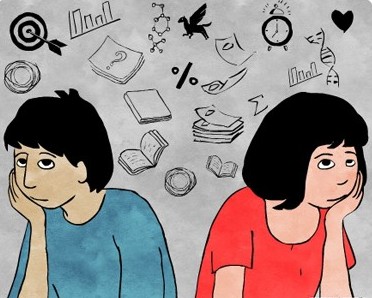
Challenges: Sometimes, puberty may cause stress, confusion, or low self-esteem because of pimples, body odor, or not growing at the same pace as others.
Key Idea: Everyone experiences puberty differently, but all these changes are normal.
Part 4: Management of Changes During Puberty
Taking care of yourself is very important during puberty. Proper hygiene and healthy habits help you stay confident and comfortable.
Skin Care
1. Wash your face daily with mild soap and water to manage oil and pimples.
2. Avoid sharing personal items like towels to prevent skin infections.
Body Care
1. Take a bath every day to prevent body odor.
2. Use clean clothes and deodorant if needed.
3. Eat balanced meals to support your rapid growth.
Genital Care
1. Keep private parts clean and dry to avoid infections.
2. Wear clean underwear and change it daily.
For boys: wash genital area properly, especially after sweating.
For girls: practice proper menstrual hygiene.
Menstrual Hygiene Management
1. Use clean sanitary pads during menstruation and change them every 3–4 hours.
2. Dispose of used pads properly.
3. Track your monthly cycle to be prepared.
Sleep Hygiene
1. Aim for 8–10 hours of sleep every night to support growth.
2. Avoid gadgets before bedtime.
3. Sleep and wake up at regular times.
Remember
1. Puberty is a normal stage of growing up.
2. Everyone experiences it differently, but the changes are signs that your body and mind are maturing.
3. Good hygiene, balanced habits, and a positive attitude will help you manage puberty confidently and healthily.